Start with the stamp, then look for wear that shows a different metal underneath, and try a magnet, because gold isn't magnetic. These checks can rule a piece out but can't prove it's gold, which takes a proper test, and we'll test it for you when you bring it in.
1. Look for a stamp
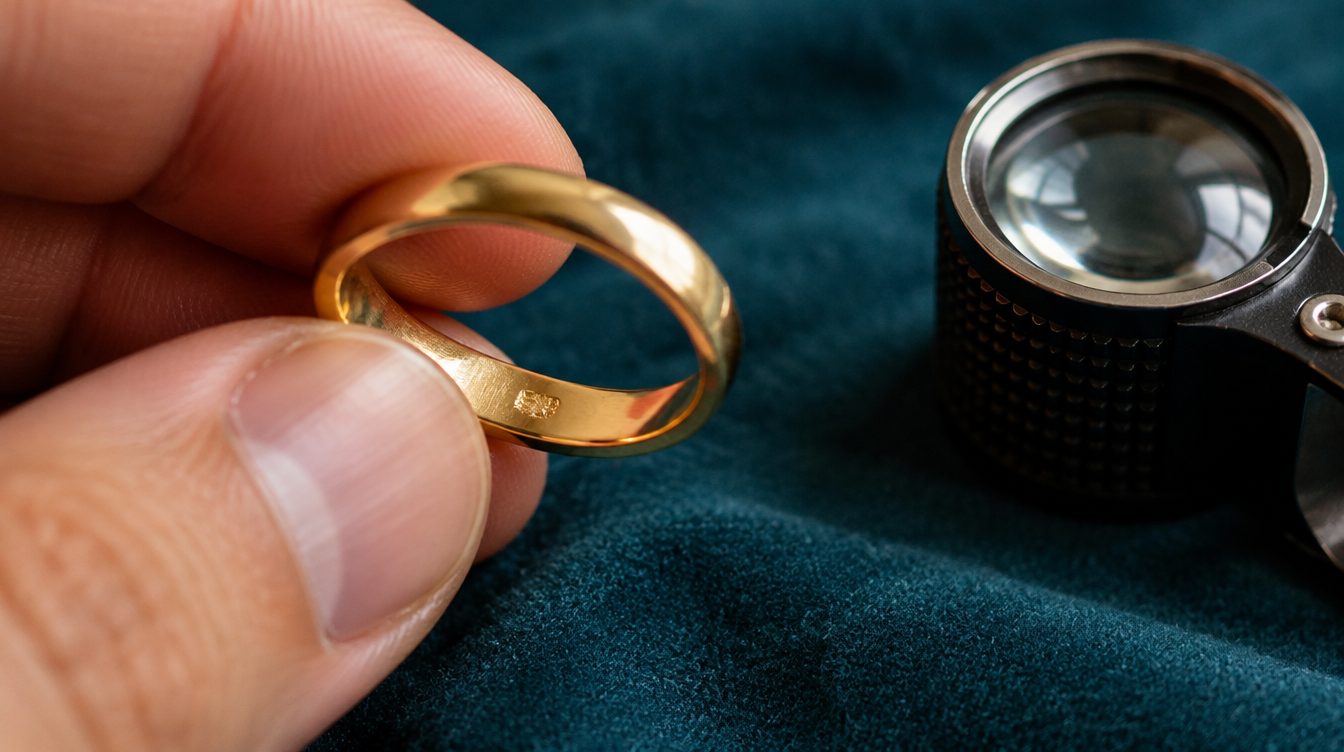
Check clasps, ring bands and the backs of pendants for a purity stamp such as 375, 585, 750, 916, 9K or 18ct. Our guide to gold stamps explains what each one means.
Watch for GP, GF, HGE or RGP, which mean the piece is plated or filled.
2. Look for wear
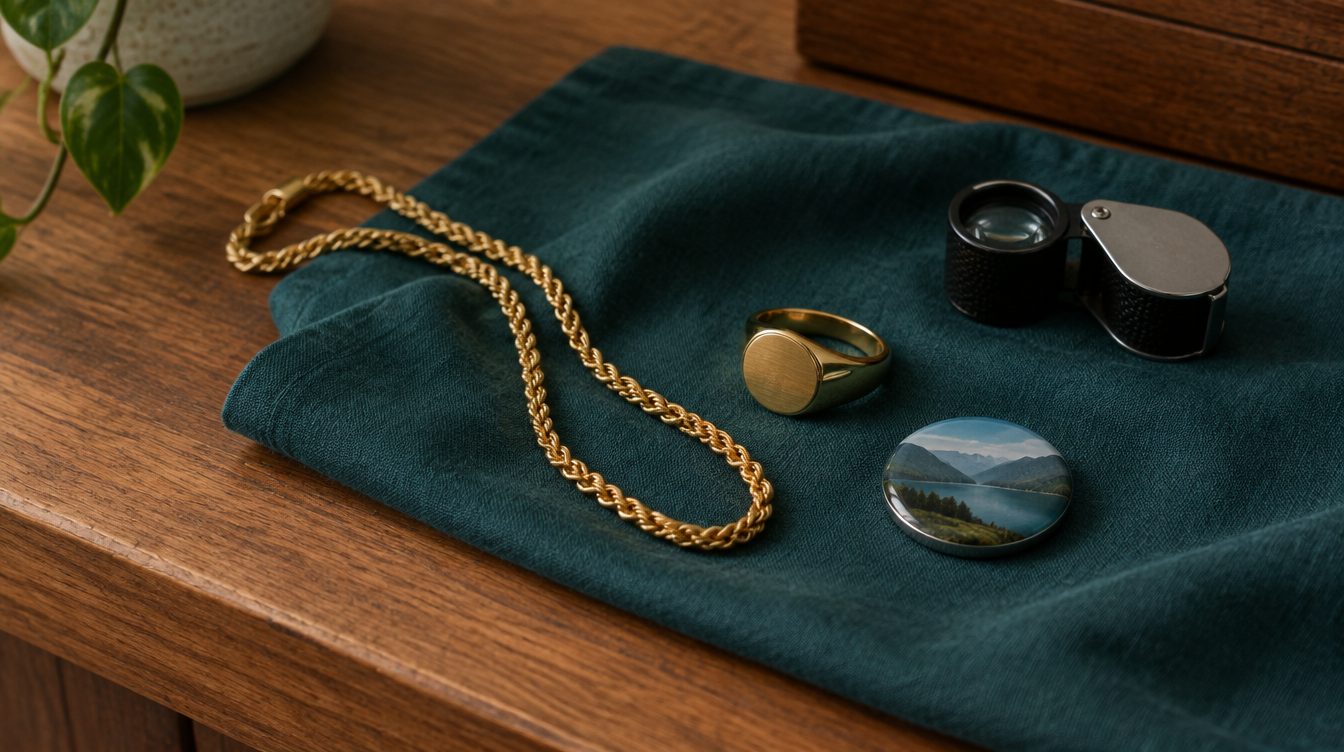
Look closely at edges, clasps and the inside of rings, where pieces rub the most. If a different coloured metal is showing through, the piece is plated.
3. Try a magnet
Gold isn't magnetic. If a piece jumps to a magnet, the part that moved isn't gold.
Passing this test doesn't prove a piece is gold. Plenty of other metals aren't magnetic either.
Checks to avoid
Some home tests you'll find online can damage your jewellery.
- Biting it can dent soft gold and chip your teeth.
- Scratching it on tiles or stone removes metal and leaves a mark.
- Home acid kits use hazardous acid that can mark the piece if it's used wrongly.
If you need to know for sure, have it tested.
How a buyer tests gold
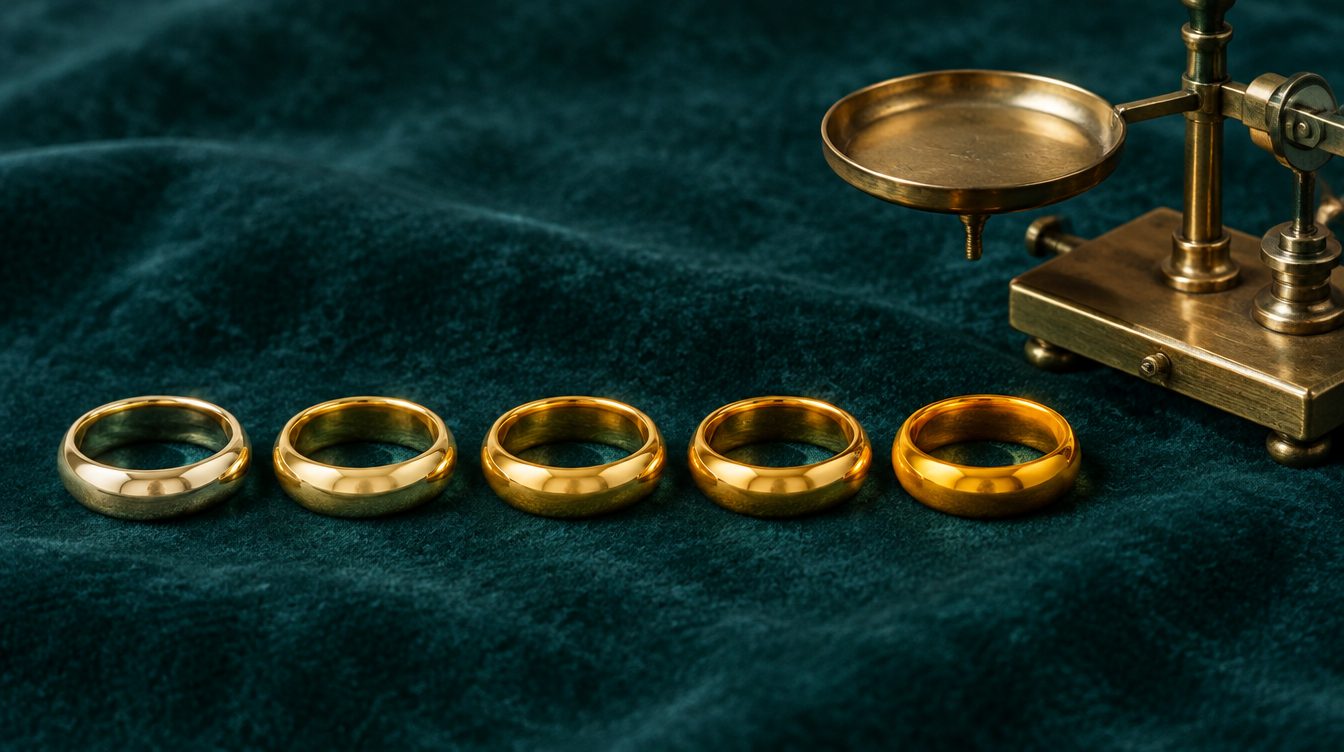
A buyer tests the metal before making an offer, because a stamp alone isn't proof. Ask what carat they tested it as and what weight they measured, since your offer is based on both.
Find out for sure
Bring it in to 378 Chapel Street and we'll look at it with you. If it is gold, our gold price table shows what the metal is worth today, and you can sell it or borrow against it with a cash loan.
Questions
Does real gold stick to a magnet?
No. Gold isn't magnetic. A steel spring inside a clasp might be, so test the piece itself.
Is a piece real if it has a stamp?
Usually, but stamps can be faked. A test is the only way to be certain.
Is gold-plated jewellery worth anything?
It has very little gold in it, so it isn't valued on its gold content.