Checks at home can give you clues, although they can't prove a stone is diamond. Look at the stamp on the setting, any paperwork and the stone itself. Moissanite, cubic zirconia, and colourless sapphire, topaz and zircon can all be mistaken for diamond, so to be sure the stone needs testing by a jeweller or a gem laboratory.
Stones mistaken for diamond
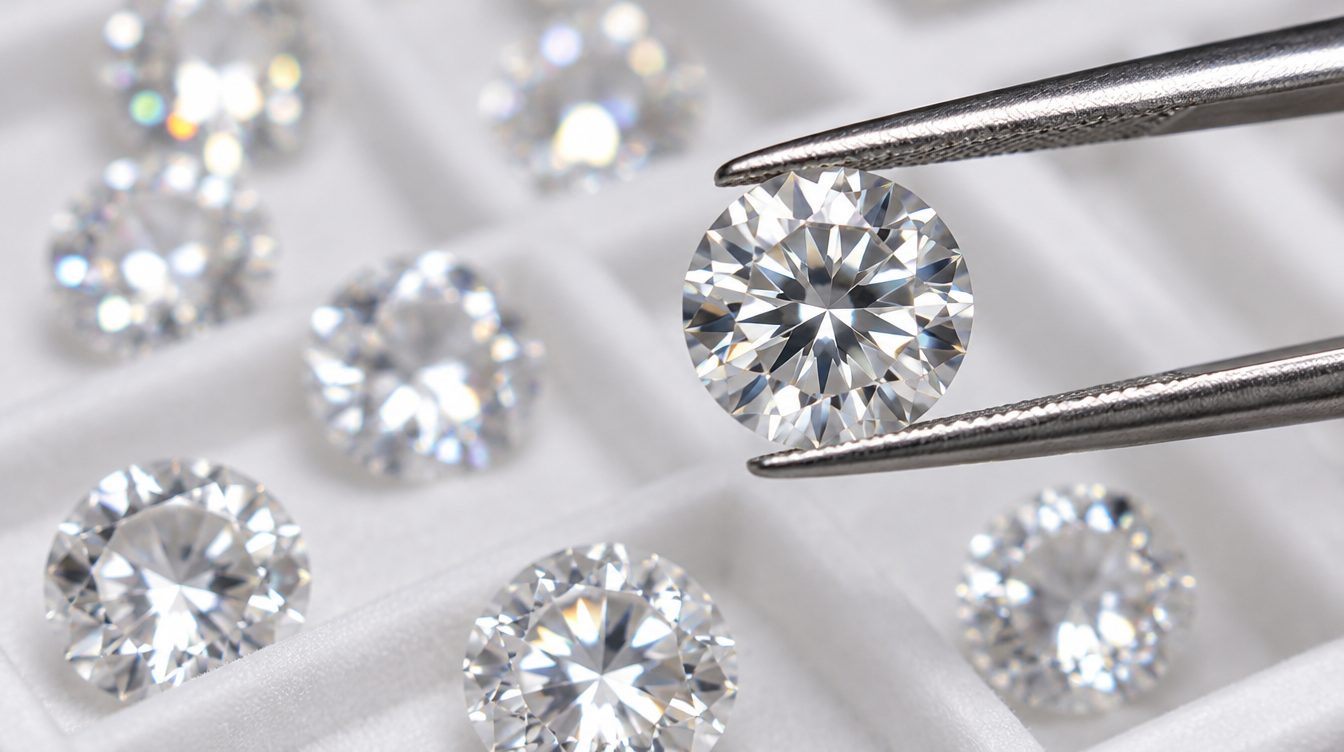
GIA notes that to an untrained eye, almost any faceted stone will sparkle. Synthetic moissanite, cubic zirconia, and colourless sapphire, topaz and zircon can all pass for diamond at a glance.
Lab-grown diamonds are a separate case, because they are real diamonds made in a laboratory. Lab-grown diamonds explains the difference.
Clues you can check
- A stamp on the setting such as 750, 585 or PT950 shows gold or platinum, which is a good sign even though it doesn't prove the stone is diamond.
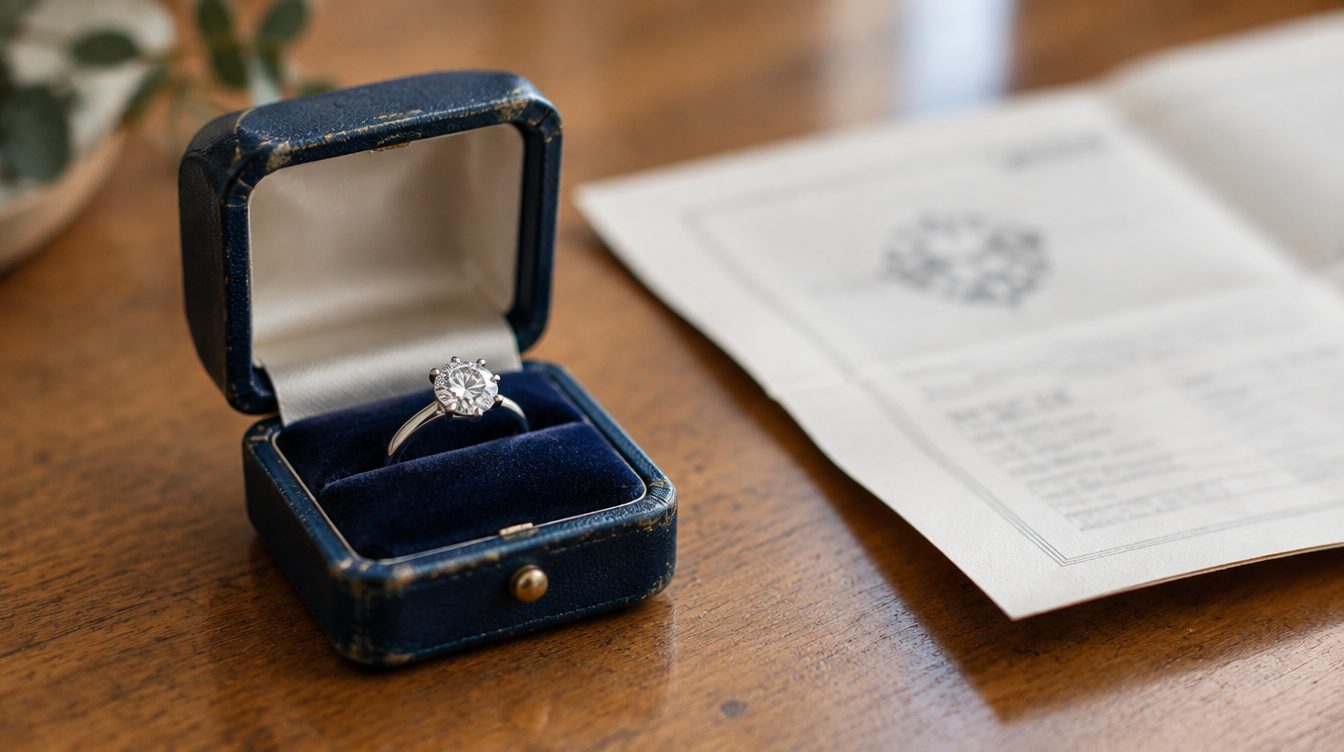
- A grading report, valuation or receipt from a jeweller tells you a lot about the stone.
- If the stone throws a lot of rainbow colour, or the piece cost very little, have it checked.
Home tests
Fog tests, water tests and scratch tests get passed around online. They can mislead you, and none of them can tell a natural diamond from a lab-grown one.
Finding out for sure
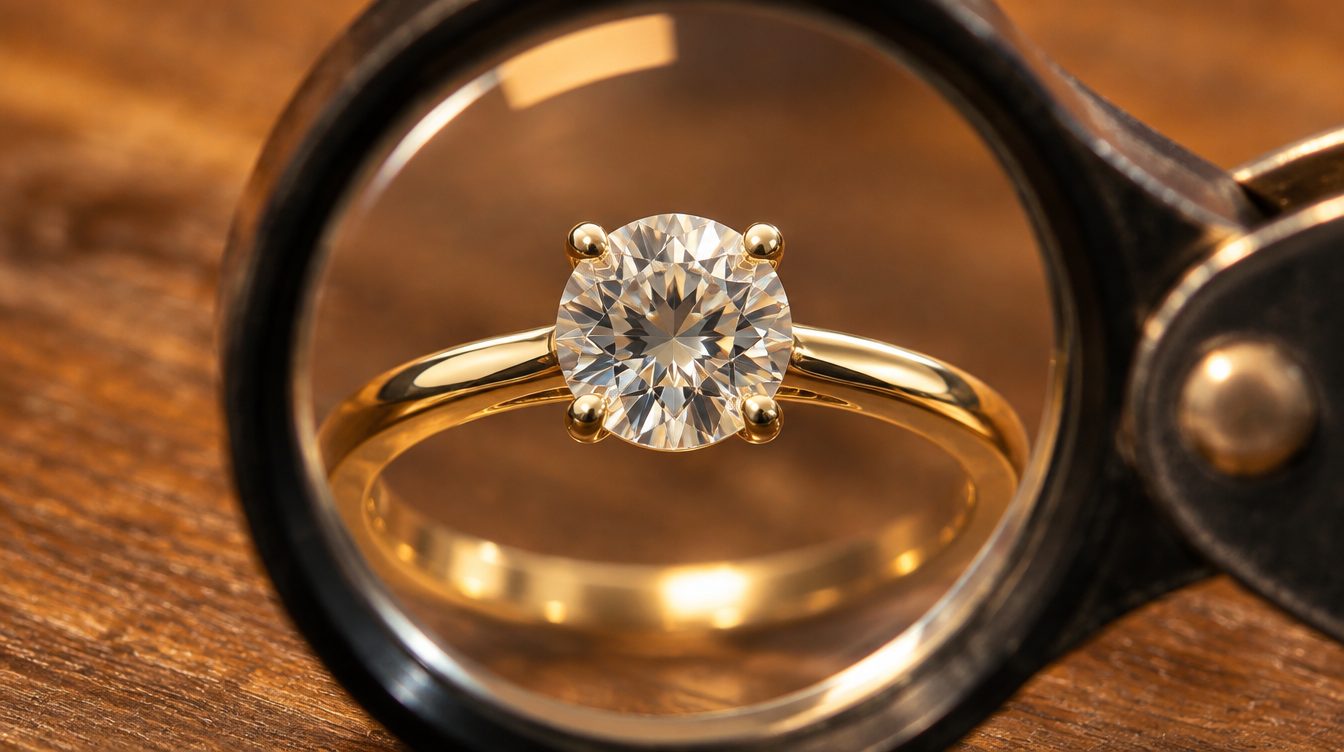
A jeweller can test the stone with proper equipment. For a definite answer on whether a diamond is natural or lab-grown, a gem laboratory such as GIA tests it and issues a report.
If you're thinking of selling, bring it in to 378 Chapel Street, and see selling a diamond ring for what affects the value.
Questions
Does a real diamond fog up?
Fog tests are unreliable and can't rule out every lookalike. Testing by a jeweller is the reliable way.
Will a scratch test prove it?
No. Only testing by a jeweller or a gem laboratory will tell you.
Is moissanite a fake diamond?
Moissanite is a different material that looks like diamond.
Can you tell if a diamond is lab-grown?
Not by eye. It takes laboratory testing.