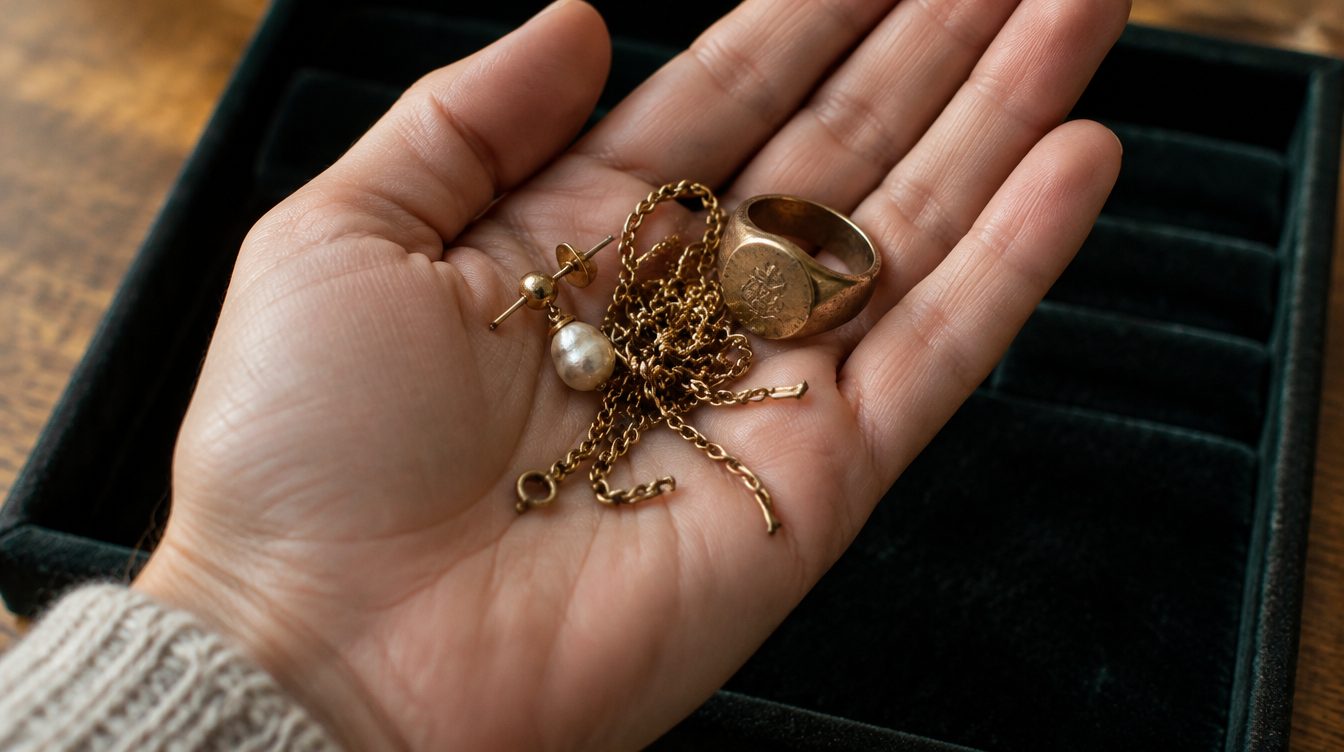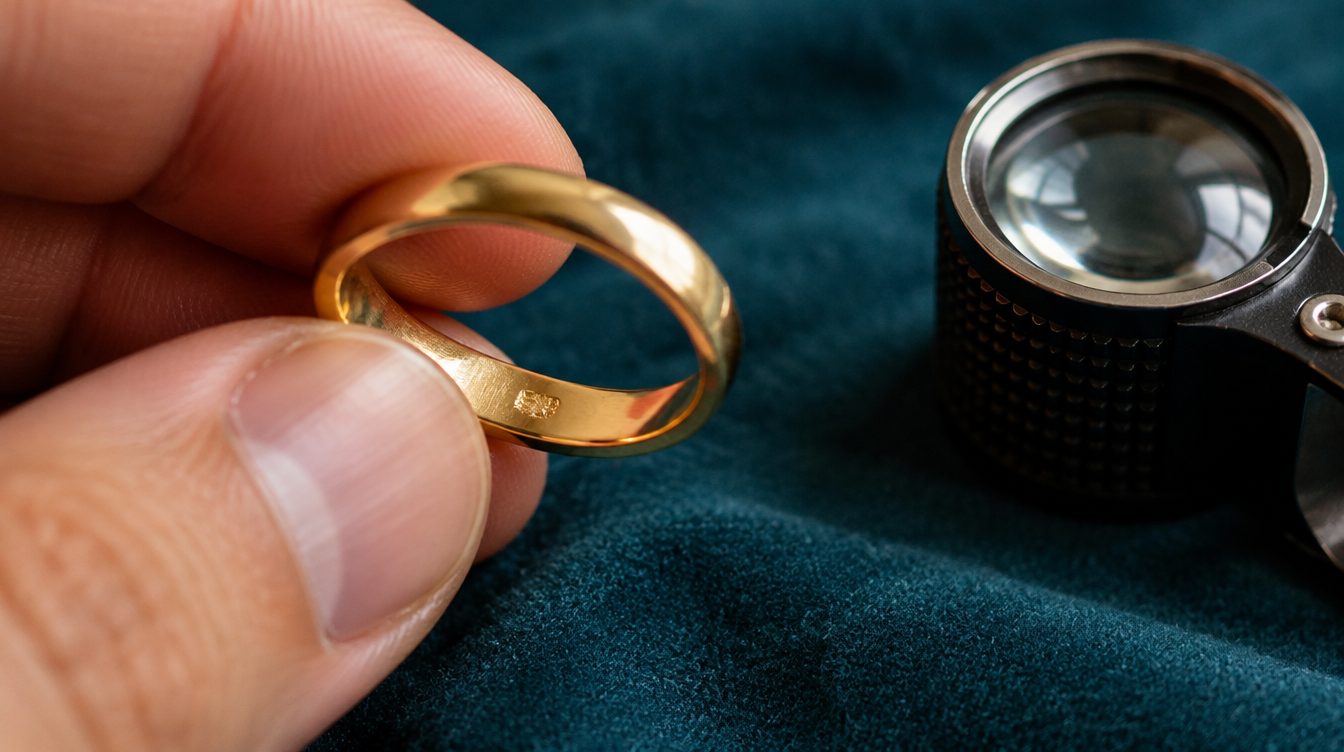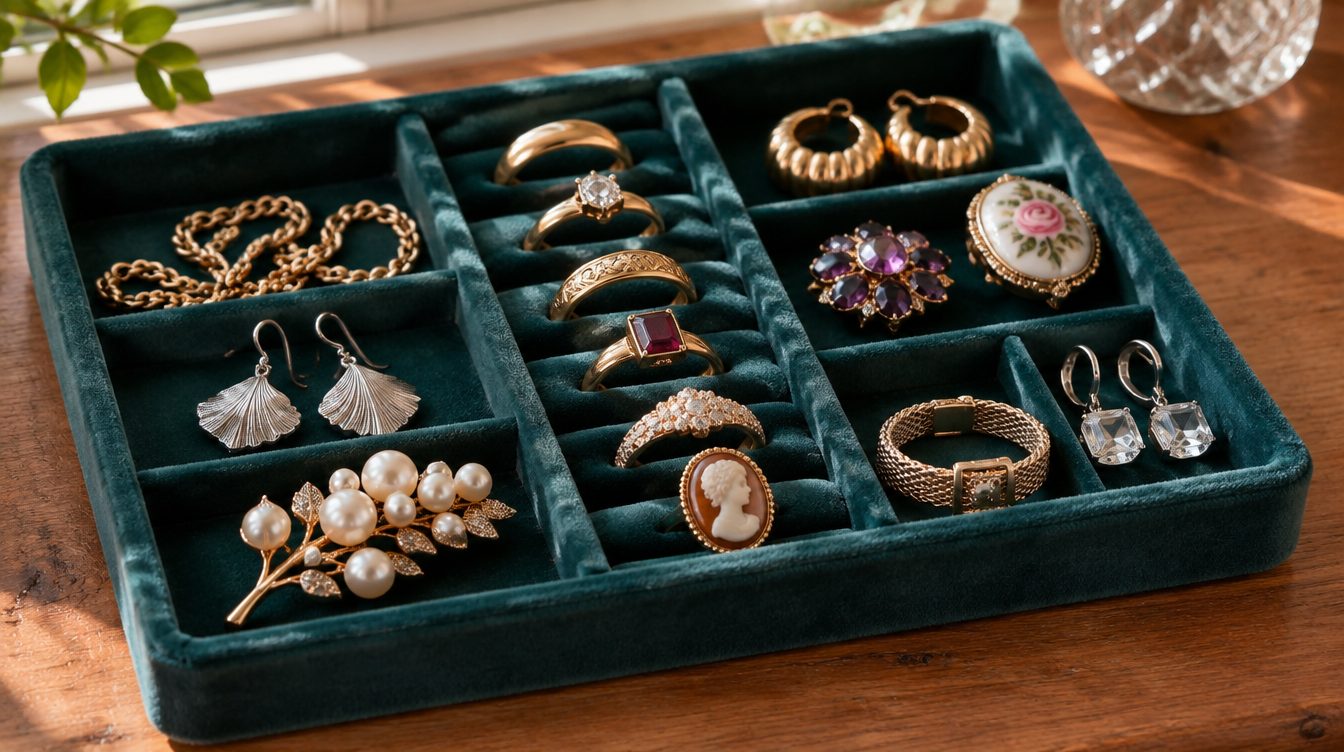
Start by sorting what you have into solid gold, solid silver, pieces with diamonds or other stones, watches, and costume jewellery, using stamps such as 375, 750 or 925 as a guide. Then bring it all in to 378 Chapel Street with photo ID. There are no fees to sell, and we pay cash on the spot.
Sorting what you have
- Solid gold, stamped 375, 585, 750 or 916, or 9K, 14K, 18K or 22K.
- Solid silver, stamped 925 or Sterling.
- Pieces set with diamonds or other gemstones.
- Watches.
- Costume and plated pieces. Marks like GP, GF, HGE or EPNS mean plated rather than solid.
If you're not sure what a mark means, gold stamps explained covers gold and what is sterling silver covers silver.
How offers are worked out
Solid gold and silver are valued on purity and weight. Gold price per gram and silver price per gram show today's metal values.
A well-made piece of jewellery can be worth more than its metal, especially one with good stones or by a well-known maker, so keep those separate and we'll look at each on its own.
Diamonds are valued on the 4Cs, which selling a diamond ring explains. If you're mostly selling gold, how to sell gold in Melbourne goes into more detail.
Broken pieces
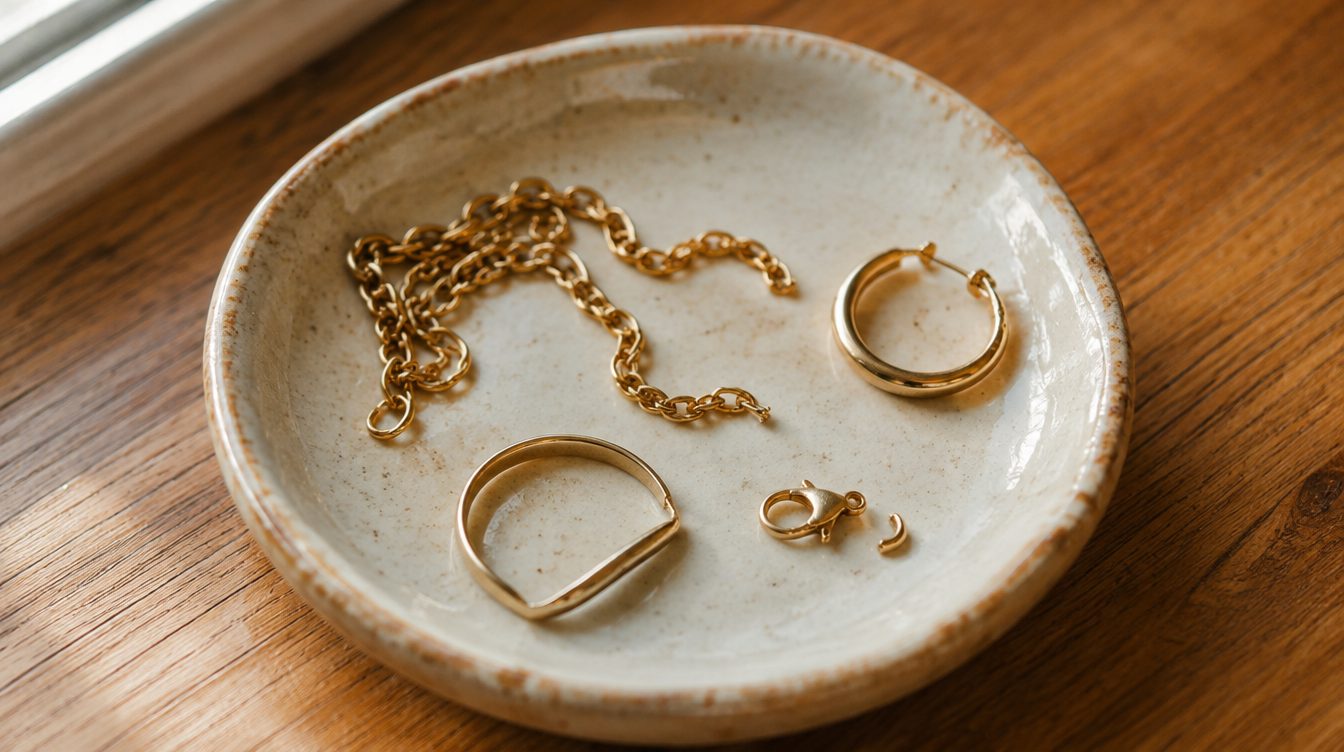
Snapped chains, single earrings and bent rings still have metal value. See selling broken gold.
What to bring
- Everything you're thinking of selling, sorted into piles.
- Any certificates, valuations, boxes or receipts.
- Photo ID.
For a figure first, send us photos or call (03) 9827 5007. If you'd rather keep a piece, ask about a cash loan instead.
Questions
Do you charge a fee to sell jewellery?
No. You're made an offer and, if you accept, paid in cash on the spot.
Do you buy costume jewellery?
Plated and costume pieces have little or no metal value. If you're unsure what you have, bring it in and we'll tell you.
Can I sell broken jewellery?
Yes. Broken gold and silver are valued on their metal.
Do I need ID?
One photo ID is enough: a passport, driver's licence, learner permit, tertiary student card or similar. Without photo ID you need two documents from an approved list, such as a full birth certificate, citizenship certificate, marriage certificate or a health or pensioner concession card.